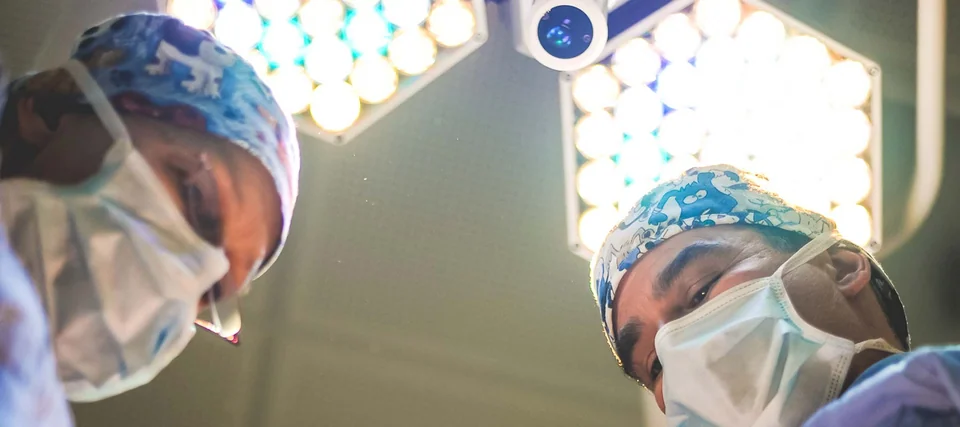
Arthroscopy is a minimally invasive surgical procedure used to diagnose and treat joint diseases. In this method, an arthroscope, a thin, flexible endoscope with a camera and light source, is introduced into the joint. This allows the surgeon to see the interior of the joint directly and to perform therapeutic measures if necessary.
Indications
- Diagnostic examination: To study joint problems such as pain, swelling, or limited mobility when imaging procedures are not sufficient.
- Meniscus and cartilage injuries: Repair or removal of damaged tissue in the knee or shoulder joint.
- Strip tears: Assessment and reconstruction of cruciate ligament or other ligament tears.
- Removal of foreign bodies: Removal of free joint bodies or inflamed tissue.
- Synovialitis: Treatment of inflammation of the joint mucosa.
Preliminary studies
- Clinical investigation: Evaluation of the patient's general health status and specific joint problems.
- Imaging techniques: X-rays, MRI or CT scans to support the accurate diagnosis and planning of arthroscopy.
- Blood tests: To review general health and identify possible risks or complications during surgery.
Procedures
1. Anesthesia: Local, regional or general anesthesia, depending on the extent of the intervention and patient preference.
2. Section line: Small cuts (portals) are made around the affected joint.
3. Introduction of the arthroscope: The arthroscope is inserted into the joint through one of the cuts. A sterile fluid is pumped into the joint to improve vision.
4. Diagnosis and treatment: The surgeon looks at the joint on a monitor and can insert special instruments through additional cuts to perform therapeutic measures, such as removing damaged tissue or sewing cracks.
5. Wound closure: After completion of the procedure, the cuts are closed with a few stitches or brackets.
After-care
- Pain management: Pain medications and possibly anti-inflammatory drugs are given.
- Motion restriction: In the first days after the operation, the affected joint should be spared.
- Physiotherapy: Is often necessary to rebuild mobility and muscles and to ensure normal function.
- After-checks: Regular medical examinations to monitor the course of healing.
Benefits of Arthroscopy
- Minimally Invasive: Less tissue damage and faster recovery time compared to open surgical procedures.
- Lower risk of infection: The small cuts minimize the risk of infection.
- Faster rehabilitation: Patients usually recover faster and can begin rehabilitation earlier.
Forecast
The prognosis after an arthroscopy is usually very good. Most patients experience a significant improvement in their symptoms and a faster return to normal activity. The minimally invasive nature of the procedure leads to less pain and a shorter recovery time compared to traditional open surgery.