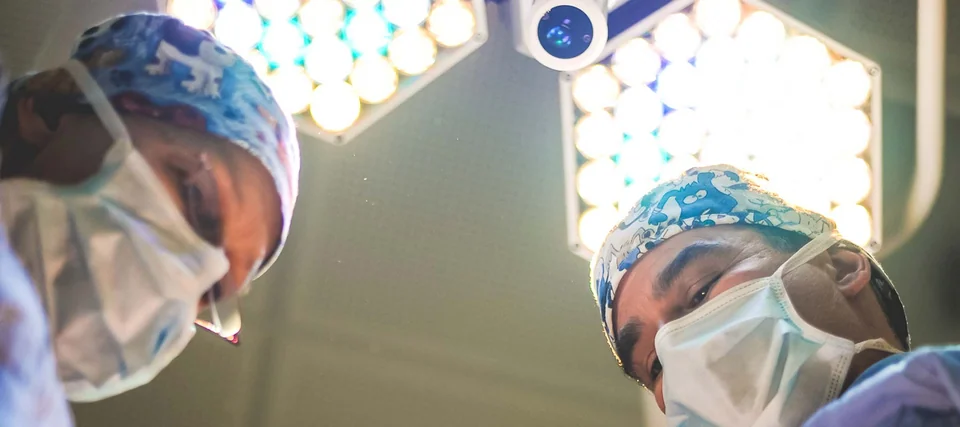
Laparoscopic ovarianectomy is a minimally invasive surgical procedure to remove the ovaries (ovaries) in female animals. This method is commonly used for sterilization (castration) of pets such as dogs and cats and offers several advantages over traditional open surgery, including lower pain, shorter recovery time and smaller cuts.
Indications
- Sterilisation: The main indication is the sterilization of bitches and cats to prevent unwanted reproduction.
- Prevention of diseases: Prevention of ovarian and uterine diseases such as pyometra (purulent uterine inflammation) and ovarian tumors.
- Behavioral problems: Reduction of certain hormonal behaviors.
Preliminary studies
- Clinical investigation: General health assessment of the animal to ensure that it is suitable for anesthesia and intervention.
- Blood tests: To review the general health status and identify possible risks or complications during surgery.
Procedures
1. Anesthesia: The animal is placed under general anesthesia.
2. Preparation: The animal’s abdomen is shaved and sterilized to prevent infection.
3. Introduction of the trocar cannulas: Small cuts (about 0.5 to 1 cm) are made into the abdominal wall, and trocar cannulas are inserted to gain access to the abdomen.
4. Insufflation: The abdomen is filled with CO2 gas to make room for the instruments and better visibility.
5. Introduction of the laparoscope: A laparoscope (a thin, lit camera) is inserted through one of the cannulas to make the interior of the abdomen visible on a monitor.
6. Surgical procedure: Special laparoscopic instruments are inserted through the other cannulas to identify and separate the ovaries. The blood vessels that supply the ovaries are tied or sealed with an electric cauter.
7. Removal of ovaries: The ovaries are removed through the cannulas.
8. Wound closure: The cannulas are removed and the small cuts are closed with a few stitches or brackets.
After-care
- Pain management: Pain medications and possibly anti-inflammatory drugs are given to relieve postoperative pain.
- Motion restriction: The animal should spare a few days after the operation to support healing.
- Wound care: Monitoring of cuts for signs of infection or other complications.
- After-checks: Regular veterinary examinations to monitor the healing process.
Benefits of Laparoscopic Ovarectomy
- Less pain: The minimally invasive technique leads to less postoperative pain compared to open surgery.
- Faster recovery: Shorter recovery time and faster return to normal activity.
- Minor cuts: Less visible scars and lower risk of wound infections.
- Better visibility: Enlarged vision through the laparoscope allows for more precise and safer removal of the ovaries.
Forecast
The prognosis after a laparoscopic ovarianectomy is usually very good. Most animals recover quickly and without complications. The minimally invasive nature of the procedure reduces the risk of infection and promotes faster healing compared to traditional open surgery.